Is Valencia a Good Place to Live? The Honest Truth for Expats
You’ve probably seen it splashed across expat forums and lifestyle magazines — Valencia, crowned “best city in the world to live.” And look, there’s real truth behind the hype. But if you’ve actually packed your bags and moved here (like many of us have), you know the picture is a bit more nuanced than the glossy Instagram version.
So, is Valencia a good place to live? Short answer: absolutely yes — but with a few caveats that could make or break your experience, depending on your lifestyle, career situation, and tolerance for paperwork that seems designed to test your sanity.
Valencia offers something rare: Mediterranean charm mixed with modern infrastructure and a pace of life that genuinely prioritises being over doing. But the transition isn’t always smooth. Between navigating the labyrinthine bureaucracy and surviving your first August humidity, there are things every expat wishes someone had told them before signing that lease. Let’s get into it.
The 5 Biggest Pros: Why Valencia Keeps Topping the Charts
There’s a reason people from the UK, the US, and Northern Europe keep flocking to the banks of the Turia. Here are the five pillars that make Valencia genuinely special.
1. Your Money Goes a Lot Further
For many expats, the main driver is financial freedom — and Valencia delivers. Yes, inflation has hit Spain like everywhere else, but compared to London, Paris, or even Madrid and Barcelona, life here is remarkably affordable. A café con leche will set you back less than €2. A spacious flat in a trendy neighbourhood? Still within reach without selling a kidney.
Here’s a quick comparison to put things in perspective:
| Expense | London (UK) | Valencia (Spain) |
|---|---|---|
| 1-Bedroom Apartment (City Centre) | £2,100+ | €900 – €1,200 |
| Three-course Meal (Mid-range) | £70.00 | €40.00 |
| Monthly Transport Pass | £160.00 | €35.00 (often discounted) |
| Pint of Domestic Beer | £6.50 | €3.00 |
We’ve crunched all the numbers in our detailed guide to the real cost of living in Valencia — it’s worth a read before you start budgeting.
2. Over 300 Days of Sunshine (Yes, Really)
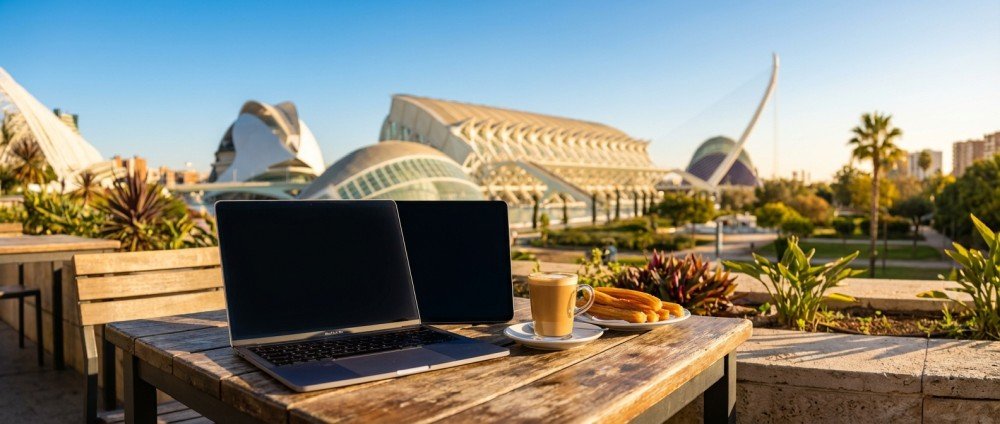
The weather alone is worth the move for many people. Winters are short and mild — you might grab a light jacket in January, but you’ll still see locals having lunch on outdoor terraces. After years of grey Northern European skies, that constant Vitamin D boost does wonders for your mood and energy levels. You’ll find yourself walking more, cycling more, and actually wanting to go outside.
3. Culture That Goes Way Beyond the Beach
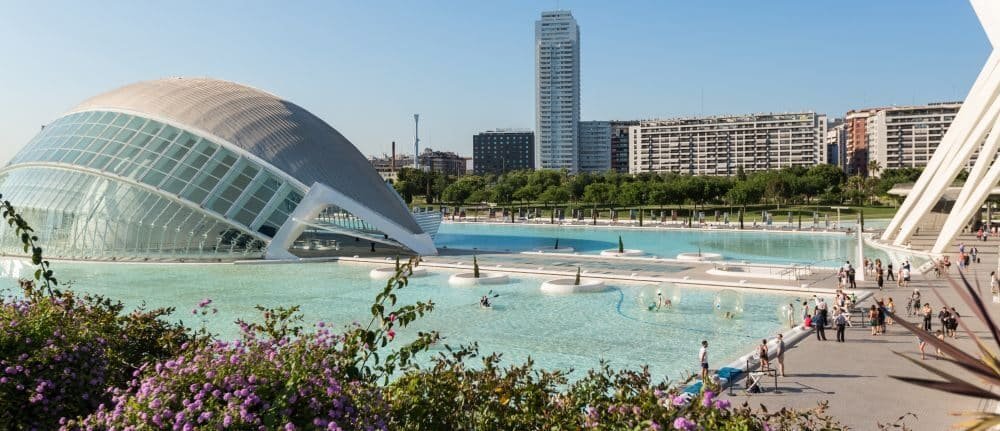
Valencia isn’t just a beach town — it’s a cultural powerhouse. The futuristic City of Arts and Sciences, the UNESCO-listed Fallas festival in March, live music, street art, independent galleries… there’s always something going on. But the city’s greatest asset might be the Jardín del Turia — a stunning 9km park that runs through a diverted riverbed right through the heart of the city. Locals cycle, jog, and picnic there daily. It becomes part of your routine without you even trying.
4. Healthcare That Actually Works
Spain consistently ranks among the top countries globally for healthcare, and Valencia is no exception. If you’re contributing to social security, you get access to excellent public hospitals. Many expats also go the private route — and here’s the kicker: decent private health insurance often costs less than €60 a month, with near-instant access to specialists. Coming from the NHS waiting lists or the US healthcare system, that feels almost unreal.
5. A City Where You Actually Feel Safe
This one catches a lot of newcomers off guard. Valencia is incredibly safe. You’ll see children playing in plazas at 10 PM while their parents enjoy a glass of wine nearby. Walking home alone at night? Not the anxiety-inducing experience it can be in many other European cities. That sense of community and security is one of the biggest reasons families fall in love with the place.
The 5 Biggest Cons: What Nobody Warns You About
If we stopped at the pros, we wouldn’t be doing our job. Here’s the stuff that can catch you off guard if you’re not prepared.
1. Bureaucracy That Will Test Your Soul
This is the number one complaint from every single expat — and for good reason. Getting your NIE (tax identification number), registering on the padrón, opening a bank account… every step feels like it was designed by someone who actively enjoys queues. The famous mañana attitude is charming when you’re waiting for a beer. It’s infuriating when you’re trying to legalise your residency. Our honest advice? Budget for a good relocation consultant — your sanity will thank you.
2. You Need to Learn Spanish (No, Really)
You can get by with English in touristy spots, but living here is a different story. You’ll need Spanish for everything from fixing a broken boiler to understanding your lease. And here’s an extra twist: Valencia has two official languages — Spanish (Castellano) and Valenciano (a dialect of Catalan). Most locals speak Spanish to foreigners, but official signs, school documents, and government paperwork often come in Valenciano.
The good news? Even basic effort goes a long way. We put together a guide on essential Spanish phrases for Valencia — locals genuinely appreciate it when you try.
3. The Local Job Market Is Tough
If you’re planning to find a local job, temper your expectations. Salaries in Valencia are significantly lower than in the UK or US, and unemployment remains above the EU average. For remote workers, digital nomads, and entrepreneurs? Valencia is paradise. But breaking into the local market is hard unless you have specialised skills and fluent Spanish. The “work-to-live” balance is fantastic — just don’t expect to get rich.
4. August Will Humble You
Everyone loves the sun until it’s 35°C with 80% humidity. Unlike Madrid’s dry heat, Valencia’s coastal location makes summers feel heavy and sticky. Many locals actually flee the city in August for cooler mountain retreats. If your apartment doesn’t have air conditioning, July and August can be genuinely miserable.
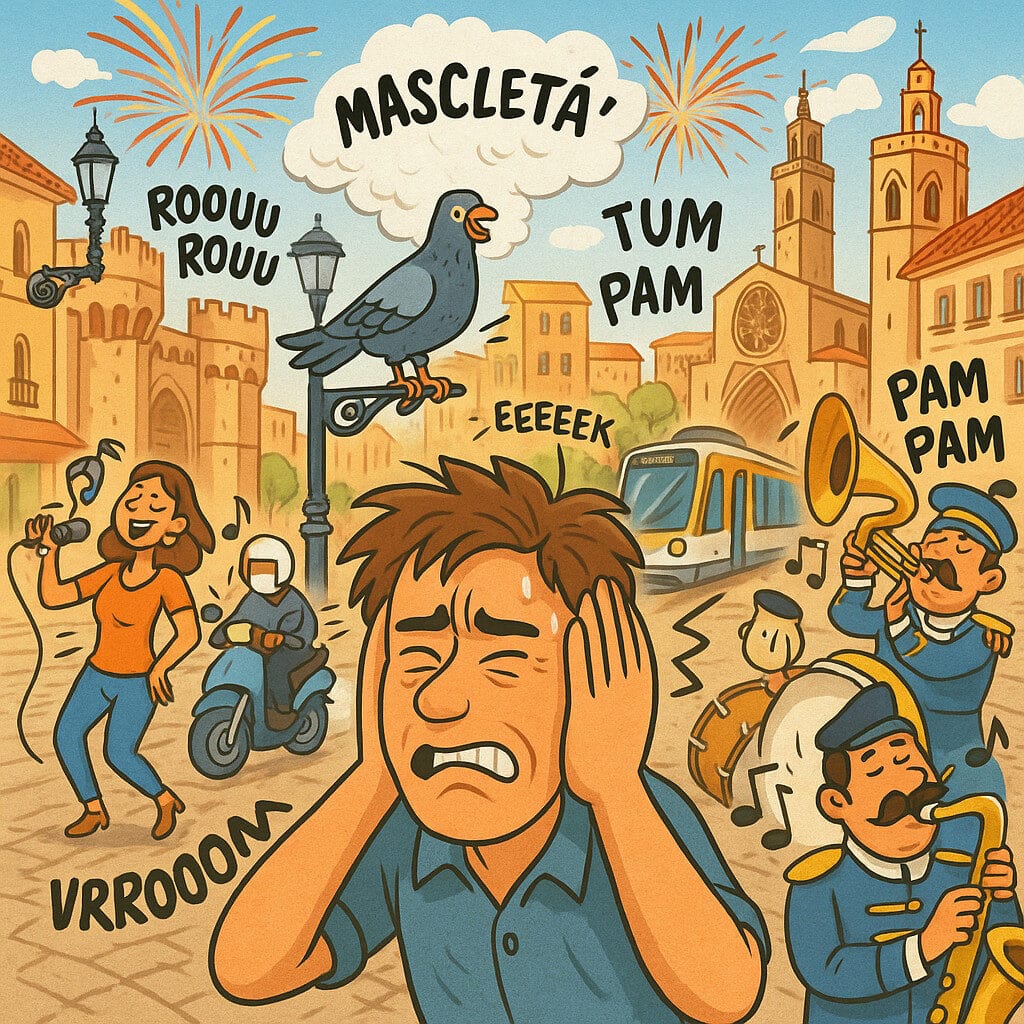
And while we’re at it — the city can also be surprisingly noisy. Between the echoey streets and the local love affair with fireworks, silence is a luxury. We actually wrote a whole piece about Valencia’s “50 shades of noise” — it’s more serious than it sounds.
5. The Spanish Schedule Takes Getting Used To
Lunch at 2 PM. Dinner at 9:30 PM. Shops closed from 2 to 5 PM. If you’re used to eating at 6 PM, you’ll find the best restaurants closed. The siesta schedule means running errands during your lunch break is often impossible. It’s one of those things that sounds charming in theory but takes real adjustment in practice. After a few months, though, most people wouldn’t go back.
Worried about the red tape? Moving to a new country shouldn’t feel like a full-time job. Book a Discovery Call today and let our relocation experts handle the NIE, housing search, and school registrations — so you can focus on enjoying the sunshine.
What Real Expats Have to Say
Numbers and lists are useful, but nothing beats hearing from people who’ve actually done it. Here are three expats who’ve been living in Valencia for several years.
Sarah, 34, Graphic Designer (UK)
“I moved from Manchester three years ago. The biggest shock wasn’t the language — it was the pace. Back home, everything is ‘now, now, now.’ Here, if you try to rush a waiter or a landlord, they actually slow down just to spite you! But once I learned to breathe and accept it, my stress levels plummeted. I earn less than I did in the UK, but my quality of life is ten times higher. Tuesday nights at the beach instead of stuck in traffic on the M60 — that says it all.”
Mark, 45, Software Engineer (USA)
“Valencia works brilliantly if you have a US salary. I work remotely for a firm in Chicago. The safety is what gets me — I can walk through the park at 2 AM without looking over my shoulder. The downside? The bureaucracy. Four months and three different lawyers just to sort my digital nomad visa. Don’t try to do it yourself.”
Elena, 29, ESL Teacher (Ireland)
“I love the social life here. In Dublin, socialising revolves around the pub. In Valencia, it’s the plaza. You see three generations of a family at the same café table. It’s beautiful. But the August humidity is no joke — I changed flats twice just to find decent cross-ventilation and AC. And seriously: learn Spanish. You’ll be a permanent outsider if you don’t.”
Who’s Valencia Perfect For? (And Who Should Think Twice?)
You’ll love Valencia if:
- You work remotely: Great internet, a growing coworking scene, and a timezone that overlaps with both US East Coast mornings and European business hours.
- You have a young family: Parks everywhere, incredible safety, and an outdoor culture that turns the whole city into a playground.
- You value lifestyle over career ladder: The Mediterranean philosophy of “work to live” will fit you like a glove.
- You love good food: The local markets (especially Mercado Central) offer some of Europe’s best fresh produce at prices that’ll make you smile.
You might struggle if:
- You’re chasing a corporate career: The local corporate ladder is short, and the rungs can be slippery.
- You have zero patience for inefficiency: A delayed bus or a slow government clerk will test you. Regularly.
- You really hate the heat: Ten months of sun sounds great until you’re craving a crisp autumn morning.
- You want to live in an English bubble: Unlike parts of the Costa del Sol, Valencia is a real Spanish city. You need to engage with the language and culture to thrive.
How to Test the Waters Before You Commit
Never decide based on a one-week holiday in July. Living somewhere is fundamentally different from vacationing there. If you’re seriously considering whether Valencia is right for you, here’s our recommended approach.
1. Book a Mid-Term Rental
Skip the hotel. Get an Airbnb or a “digital nomad” flat for at least a month, ideally in a residential neighbourhood like Arrancapins or Benimaclet rather than the tourist-heavy El Carmen. You’ll get a real feel for the supermarkets, the commute, and the noise levels. Our guide to the best neighbourhoods in Valencia can help you choose.
2. Come in the Off-Season
Visit in November or February. See if you still love the city when the beach isn’t the main draw. You’ll also experience the “real” Valencia without the summer crowds — and get a much better sense of whether this place fits your day-to-day life.
3. Do Some Real “Life Admin”
Try performing a mundane task — visit a local pharmacy for a specific product, or inquire about a gym membership. It’s a quick reality check on the language barrier and the level of service you can expect.
4. Research the Neighbourhoods Properly
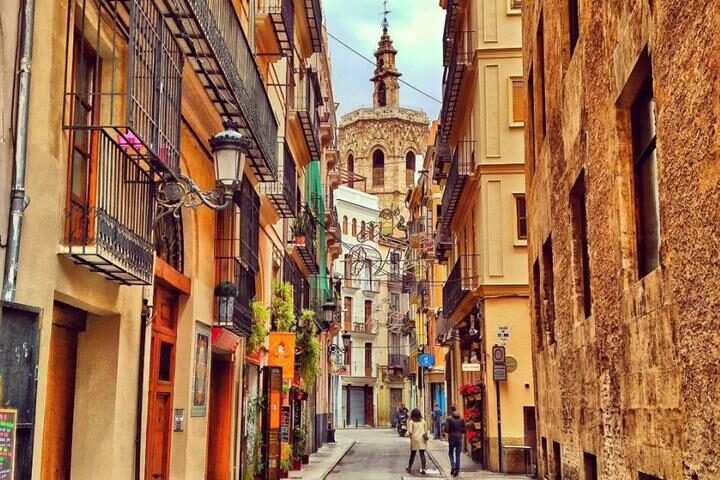
Every barrio has its own personality. Ruzafa is trendy and buzzy; El Carmen is historic and a bit cramped; the area around the City of Arts and Sciences feels modern and spacious. Picking the wrong neighbourhood can completely colour your opinion of the city.
So, Is It Worth It?
Valencia is a city of layers. On the surface, it’s all oranges, sunshine, and futuristic architecture. Dig deeper and it’s complex, occasionally frustrating, but deeply rewarding.
If you come with an open mind, a bit of financial cushion, and the willingness to learn the language, you’ll likely find the pros far outweigh the cons. The “good life” here isn’t about luxury — it’s about the luxury of time. Time for a long lunch. Time for a walk through the Turia. Time to watch the sunset without the frantic rush of a capital city buzzing in your ear.
If you’re ready for that shift, then yes — Valencia is an incredible place to live. And if you’re thinking about how to actually make the move, we’ve got you covered there too.
Take the Stress Out of Your Spanish Move
Don’t let the “Cons” scare you off from the “Pros.” From apartment hunting to navigating the Spanish tax system, our team offers personalised relocation planning tailored to your situation. Contact us today to start your Valencia journey the right way.
Frequently Asked Questions
Is it expensive to live in Valencia?
Compared to most Western European and North American cities, no. Rent is your biggest expense, but food, transport, and leisure are significantly cheaper than the UK or US. That said, prices have been creeping up in popular expat areas like Ruzafa and the city centre. For the full breakdown, check our Valencia cost of living guide.
Do I need to speak Spanish to live in Valencia?
To survive? Not really. To actually thrive and build a life? Yes. You’ll need Spanish for admin tasks, medical appointments, and building real relationships with your neighbours. Even learning the basics will drastically improve your experience.
Is Valencia safe for expats?
Very. Valencia is considered one of the safest cities in Europe. Violent crime is rare, and it’s a great environment for solo women and families. Just keep an eye on pickpockets in crowded tourist spots, as you would anywhere.
What’s the biggest challenge for expats in Valencia?
Bureaucracy, hands down. Getting your residency, setting up utilities, dealing with any government office — it’s slow, repetitive, and requires specific documentation. A relocation service can save you weeks of frustration.
How is the healthcare in Valencia for foreigners?
Excellent. If you’re working and paying into the system, you have access to public healthcare. Those on certain visas or not yet working usually take out private insurance — which is high-quality and much more affordable than what you’d pay in the US.