Reach more languages with AI translation tools
You need your product pages in five languages, and the translation quote says you can afford two. AI and machine translation tools make five possible. Put a person over their output before it goes live, and each fluent sentence is also a correct one, which is what earns those markets' trust.
Below: what the tools do well, where they need a human hand, and a workflow with a person accountable for every language.
What AI does in multilingual content
Knowing what the engines are good at tells you where to let them run and where to slow them down. Neural machine translation engines such as DeepL and Google Translate, and large language models such as ChatGPT, Gemini and Claude, translate large volumes of content in seconds. Their output is far more fluent and context-aware than older systems.
They are also good at the dull work: repetitive strings, product catalogues and keeping several language versions in step when the source changes.
What AI translation tools save you
The case is budget: more languages, sooner, for the same spend.
- Cost. AI cuts the cost of translating large volumes of multilingual content, so you can cover more languages with the same budget.
- Scale. Content production grows across languages faster than the resources behind it.
- Speed. Fast turnaround on websites, shops and other time-sensitive content.
AI-powered translation tools improve efficiency while holding most of the quality, provided a human stays in the process.

Where AI needs a human hand
The errors worth catching are the subtle ones: sentences that read well and mean something else.
Cultural context and nuance
An idiom adapted for the market tells a local buyer the page was written for them. Cultural references, idioms and language-specific nuance are where human translators add the most, making sure content is culturally appropriate as well as correct.
Review grammar, tone and terminology
Review catches the grammar, tone and terminology slips that AI makes. In legal, medical and technical content, where accuracy is critical, human review is essential, which is why AI-generated translations need post-editing before they are published.
| Approach | Speed | Cost | Nuance and accuracy |
|---|---|---|---|
| AI only | Very fast | Lowest | Inconsistent, literal in places |
| Human only | Slowest | Highest | Strongest |
| AI with human post-editing | Fast | Moderate | Strong, with a human sign-off |
Split the work between AI and editors
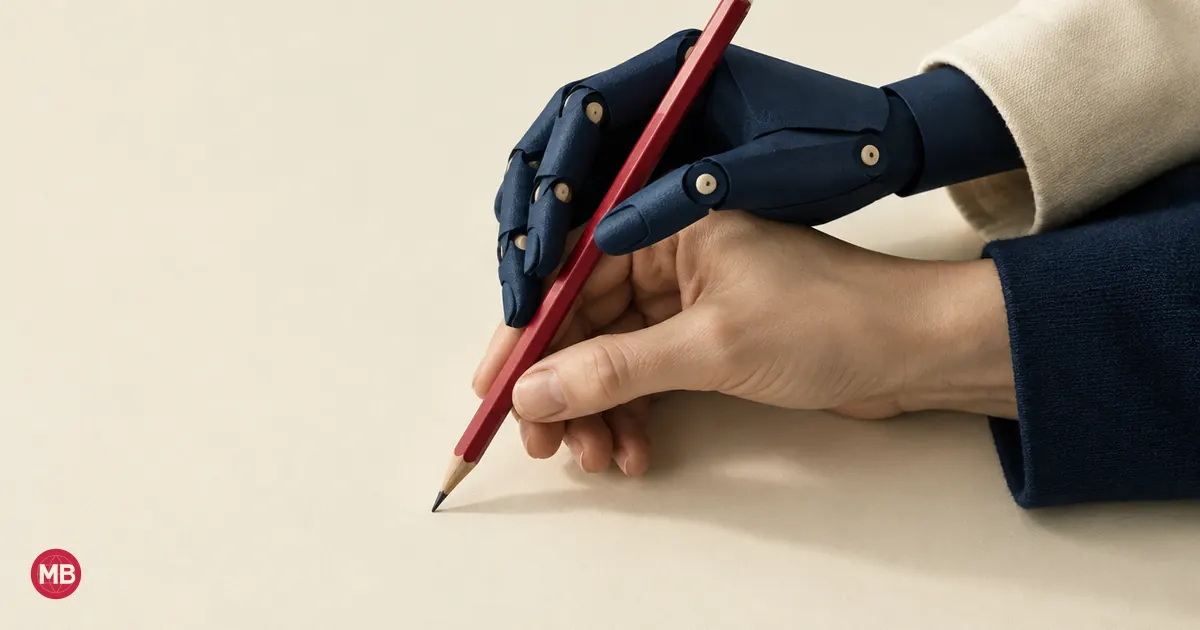
The workflows that keep both the saving and the quality pair the speed of AI with the judgement of human experts, as part of a targeted content strategy. AI handles the bulk of the translation, and translators refine and localize it for each market.
Human-in-the-loop translation: AI drafts, translators review
AI produces the first draft and human translators review and edit it. It is faster than translating from scratch, and the translator catches what the machine misses.
Post-editing machine translation (PEMT)
In PEMT, a professional linguist edits machine output until it reads naturally and accurately and matches the brand's tone and regional expectations. It saves time and money while keeping a human accountable for the final text.
Keep confidential files in vetted tools
Confidential files stay under your control when they go only into tools you have vetted.
- Privacy. Many AI tools process your text on external servers. Choose services that comply with the GDPR and other privacy rules, and keep confidential material to those vetted services, whether it is a contract or an English to French translation of a client file.
- Safeguards. Put agreements and access controls in place before AI tools handle customer or company data.
- Transparency. Tell users when content has been machine translated, particularly where accuracy matters to them.
Where AI translation is heading
Translation models keep improving in accuracy, context and cultural nuance. Businesses that follow these advances can extend their global reach, including through user interface localization, and deliver quality content at scale.
Pair AI speed with human judgement
AI translation tools bring speed and scale; human expertise brings cultural relevance and quality. Combining the two gives the balance of efficiency and precision that building a global brand needs.