Machine translation post-editing after the AI first pass
Machine output worked over by a native speaker, because fluent text has to be right as well as readable.
AI drafts the translation and a native specialist edits every line before it goes live, so the speed of a machine arrives with the accuracy of an expert reader.
I needed some help with my website, and thank God I found Mike and his team! They identified what was missing and started working on it from day one. Their improvements showed results and still do!… That's why I continue to work with them. If you feel lost with your website, SEO and marketing in general, contact them, they'll make your life easier. Thanks guys!What you get from a post-editing pass
A close read by a native speaker who knows the subject, catching the fluent sentence that has shifted the meaning, dropped a qualifier or mistranslated a technical term.
A glossary per sector and per language. We settle terminology once, correct every page against it, and standardise formatting and tone across languages so the brand voice holds.
Review depth set by the stakes. A product description gets a light touch, and a clause in ecommerce terms or an instruction in medical or legal content gets a specialist reader, because it carries liability.
Your search targets kept in place. We check each page against the SEO targets it was meant to hit, so the post-edit keeps the grammar right and the target keyword in place.
Where post-editing pays most
Sites translated by a plugin. Machine translation through WPML, Weglot or Polylang's auto-translate reads as professionally written, and our pass makes it accurate as well, down to the strings a reader rarely looks at.
Sectors that scale on machine first drafts. The trade calls the service MTPE, and we run it across sectors that lean on AI output to scale quickly, particularly SaaS, ecommerce and travel, where the volume of content calls for machine first drafts and the accuracy bar stays commercial.
Open what you need
What the post-editing pass covers
The four things we work on in machine output, in the order a reader meets them.
Register, idiom and rhythm
Engines now produce grammatically correct sentences, so we work on the ones that are correct and slightly off: a register too formal for the market, an idiom translated where it wanted replacing, a rhythm that reads as translated even when the cause is spread across a whole sentence.
Finishing plugin auto-translation
Weglot, WPML and Polylang fill a site with translated strings quickly, and the result is usable and ready for finishing.
We cover what the plugin touched out of the reader's sight: title tags, meta descriptions, alt text, button labels, form validation messages and confirmation emails, so a page that reads beautifully in French also shows its form messages in French.
One agreed term per language
An engine can translate the same term three different ways across a site because it sees each sentence alone. For a product name, a legal term or anything a customer will search for, we settle one term per language and apply it everywhere, so the agreed term is the one that ranks.
We give it most attention on the pages where a sale happens.
Specialist readers for regulated content
We put a specialist reader on anything a regulator, a court or a clinician reads: medical documentation, legal text, financial reporting and safety instructions, where a plausible-sounding error costs more than a delay does.
From the brief to the reporting
What happens after your first message
- A free localization assessmentWe read a sample of your machine-translated pages and show you what a post-editing pass would change, and which content calls for the deepest review.
- A glossary and a written scopeWe agree the pages, the review depth for each and a glossary of terms per language, so every key term is decided once before the pass starts.
- The post-editing passA native speaker who knows the subject works through the machine output, correcting meaning, terminology, tone and formatting against the glossary and your brand voice.
- SEO targets and page details checkedWe check each page against its SEO targets and go through the titles, descriptions, image text, buttons and form messages the plugin translated.
- Delivery, glossary includedYou receive the edited pages ready to publish, with the agreed glossary to keep for the next batch of content in each language.
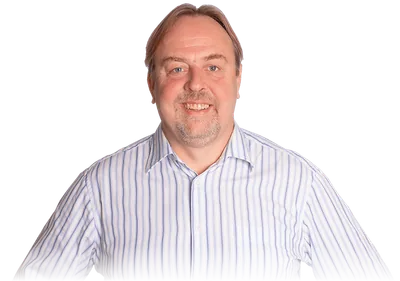
Who does the work
Mike Bastin and his team, working from Valencia in your buyers’ languages
Mike has worked in multilingual search for over two decades and founded BeTranslated, the translation agency he has run for twenty years, whose ten country sites each compete in their own market. He works natively in French, fluently in English, Spanish and Dutch, and well enough in German, Italian and Portuguese to run SEO projects in them.
We run our own sites the way we run yours. See how we built ValenciaMove, our removals site in five languages.
Mike leads the team on every engagement, so you deal with him from the first call to the monthly report.
The next step
Find out what machine translation post-editing could be worth in your markets
Thirty minutes on which markets matter, what already ranks, and what has been tried before. A written scope naming pages and deliverables follows. Engagements continue one month at a time.
The whole scope
What else we take on for you
Machine translation now reads fluently, which is exactly why it needs a native reader: the errors it makes are the kind only a speaker of the language can spot.
Post-editing is the fix: a native speaker working over machine output and plugin translations from WPML, Weglot or Polylang until every line reads naturally to a reader in that market.