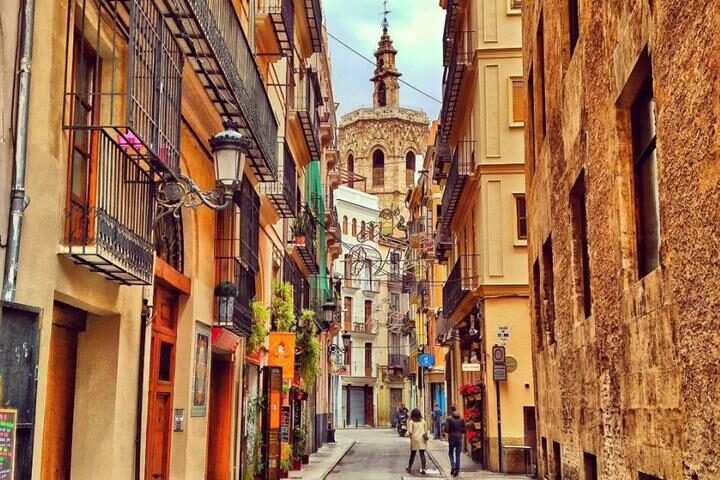
Living in a Flat in Valencia: What You Actually Need to Know
I have lived in flats across Valencia for over a decade. From a 50-year-old building in El Carmen with thin walls and erratic water pressure, to a renovated apartment in Ruzafa with proper insulation and a working lift, the difference between flats here is enormous.
This guide covers what you really need to think about before signing a lease in Valencia, the neighbourhoods worth considering, and the quirks of Spanish flat life that catch every newcomer off guard. For the mechanics of finding a place and signing a contract, the renting in Valencia guide on Valencia Move is a useful companion.
Choosing the right neighbourhood
Where you live in Valencia changes everything: your daily commute, your social life, your noise levels, even how often you cook at home. Each neighbourhood has a personality. Picking the wrong one is the most common mistake I see expats make in their first six months.
| Neighbourhood | Profile | Best for | Watch out for |
|---|---|---|---|
| Ruzafa | Trendy, cafés, nightlife | Young professionals, expats, foodies | Weekend noise, rising rents, scarce parking |
| El Carmen | Historic centre, medieval streets | Walkability, atmosphere, character | Tourist crowds, older buildings, heating costs |
| Cabanyal | Beachside, fishing village heritage | Beach lovers, gentrification beneficiaries | Distance from centre, uneven development |
| Benimaclet | University district, local feel | Students, families, value seekers | Term-time student noise, fewer luxury options |
| Campanar | Modern, quiet, near schools | Families, international school commuters | Higher prices, limited nightlife |
| L’Eixample (Pla del Real) | Elegant avenues, art nouveau | Premium living, central but quieter | Premium rent, traffic, fewer budget options |
| Patraix | Residential, calm, local | Long-term residents on a budget | Less nightlife, fewer cultural venues |
| La Saïdia | Old and new mix, near Turia gardens | Reasonable rent with green-space access | Less central for nightlife |
| Algirós | Student-friendly, university zone | Budget-friendly rentals near campus | Term-time crowds, parking issues |
| Quatre Carreres | Near City of Arts & Sciences | Newer construction, wide roads | Tourist congestion, ongoing building works |
For a deeper dive into the trade-offs, see my full guide to the best neighbourhoods in Valencia and my breakdown of neighbourhoods for professionals.
The rental market reality in 2026
The Valencia rental market in 2026 is tighter and more expensive than at any point I can remember. The combination of remote workers, the Spanish digital nomad visa, foreign retirees, and limited new housing supply has driven double-digit annual rent increases since 2022.
| What landlords typically ask for | What the law actually says |
|---|---|
| 2 to 3 months of rent as deposit | Legal fianza is 1 month. Anything extra is technically a “garantía adicional” but accepted in practice. |
| 3 times monthly rent in proven income | No legal cap, but this is the de facto standard from agencies. |
| Spanish bank account + NIE + work contract | NIE is mandatory, the rest help your application but are not strict legal requirements. |
| Year of rent upfront from foreigners without contracts | Common offer in 2026 to compete in tight markets. Risky for the tenant. |
| Minimum rental period of 12 months | The Ley de Arrendamientos Urbanos (LAU) grants tenants automatic 5-year extensions on standard contracts. |
Building quirks that nobody warns you about
Spanish flats are not Spanish flats. The 1960s post-war buildings, the 1990s suburban blocks, and the 2020 new builds are completely different beasts. Here is what to inspect before signing.
| Issue | What to check | Why it matters |
|---|---|---|
| Wall thickness | Knock between rooms and adjacent flats. Listen for the bass-line of a neighbour’s TV at 9 PM. | Older buildings have paper-thin partitions. You will hear everything. |
| Lift (ascensor) | Many pre-1980 buildings have no lift. Some have a 4-person lift that breaks every winter. | Carrying groceries up 5 floors gets old fast. Resale value drops sharply for liftless flats. |
| Heating system | Most Valencia flats have no central heating. Air conditioning units double as heaters. | January nights drop to 5°C. Heating bills spike if your flat is poorly insulated. |
| Hot water | Gas boiler (caldera) vs electric heater (termo). Caldera is faster but needs annual maintenance. | Termo systems run out of hot water mid-shower if undersized. |
| Window quality | Single-glazed wooden windows in older flats vs double-glazed PVC in newer ones. | Bad windows mean cold winters, hot summers, and constant street noise. |
| Communidad (HOA) fees | Ask for the latest cuota de comunidad. Range €30 to €150 monthly depending on amenities. | Pool maintenance, lift repairs, and façade renovations all come out of this budget. |
| Damp (humedad) | Look for stains on ceilings, peeling paint near windows, musty smell in bathrooms. | Spanish humidity in autumn destroys poorly-ventilated flats. Mould is the silent killer. |
Valencia’s Mediterranean climate by month
The flat you choose has to handle Valencia’s seasonal extremes. Summer hits 35°C with 70 percent humidity. Winter dips to 5°C overnight. A flat without proper insulation will cost you in air conditioning and electric heating both seasons.
| Month | Avg High | Avg Low | What it means for your flat |
|---|---|---|---|
| January | 16°C / 62°F | 5°C / 41°F | Heating runs daily; high electricity bills |
| February | 17°C / 63°F | 6°C / 42°F | Cold mornings; check window seals |
| March | 20°C / 67°F | 8°C / 46°F | Mild, low energy bills |
| April | 22°C / 71°F | 10°C / 50°F | Open windows weather |
| May | 25°C / 77°F | 14°C / 56°F | Pre-summer comfort |
| June | 28°C / 83°F | 18°C / 64°F | AC starts running afternoons |
| July | 31°C / 88°F | 21°C / 69°F | AC essential; check insulation |
| August | 31°C / 88°F | 21°C / 70°F | Hottest month; humidity peaks |
| September | 28°C / 83°F | 18°C / 64°F | DANA storm season starts |
| October | 25°C / 76°F | 14°C / 57°F | Comfortable, sometimes wet |
| November | 20°C / 68°F | 9°C / 48°F | Heating starts again |
| December | 17°C / 62°F | 6°C / 43°F | Cool, often dry |
Cultural quirks of Spanish flat life
What surprises most international newcomers is not the rent or the paperwork: it is the rhythm of how Spanish buildings actually work day to day.
- Late dinners and late noise. Dinners start at 21:00, conversations carry through open windows until 23:00 or later. If you sleep before 23:00, you need solid double glazing.
- Siesta hours (14:00 to 17:00). Many shops still close. Drilling, hammering, or any loud renovation work is informally banned during these hours and openly frowned upon by neighbours.
- The “comunidad de vecinos”. Every building has a homeowners’ association. They meet quarterly, vote on fees, and make collective decisions about lifts, façades, and disputes. Foreign tenants have no vote but absolutely feel the consequences.
- Las Fallas (March). If you live anywhere near a falla committee, your March will involve fireworks at 8:00 AM, all-night street parties, and a city-wide week of controlled chaos. Worth experiencing once. Worth fleeing thereafter.
- Window cleaning rotation. Some buildings have shared patios de luces (interior courtyards) with rotating cleaning duties. Know your slot.
Pre-viewing checklist: what to inspect
I have viewed dozens of flats over the years. Use this checklist for every single viewing. Skipping it once is how you end up with a 13-month nightmare.
- Visit twice: once at noon, once at 22:00. Noise levels and natural light differ dramatically.
- Test the water pressure by running the kitchen tap and bathroom shower simultaneously.
- Check every electrical socket with a phone charger. Older buildings have rewired sections that may not work.
- Open every window. Stuck windows mean broken pulleys, which the landlord will not fix quickly.
- Look at the ceiling corners in bathrooms and bedrooms. Black or yellow stains mean damp.
- Ask about the comunidad fees and any pending derramas (special assessments for major repairs).
- Test the lift. Take it up and down once. Listen for groans.
- Check parking if you drive. Street parking is impossible in Ruzafa, El Carmen, and Cabanyal.
Need help finding the right Valencia flat?
I have helped expats and remote workers navigate the Valencia rental market for years. From spotting which buildings have hidden problems to negotiating with landlords who only speak Valenciano, ten years of local knowledge saves you months of frustration.
Get in touchFrequently asked questions
What documents do I need to rent a flat in Valencia in 2026?
Are flats in Valencia usually furnished or unfurnished?
How long does the rental application process take?
Can I negotiate rent in Valencia?
What is the typical lease length in Spain?
How do I set up utilities in my new flat?
What is the deposit (fianza) and how much should I pay?
What should I budget per month including all costs?
Bottom line on Valencia flat life
Valencia rewards those who do their homework. The neighbourhood you pick drives 60 percent of your daily quality of life. The building you pick drives the other 40 percent. The flat itself matters less than people assume — what matters is whether the walls are thick, the windows seal, and the comunidad is well managed.
For more on the financial side, see my full breakdown of Valencia living expenses in 2026. For the bigger picture on the city itself, read whether Valencia is actually a good place to live.