Cultural Valencia, beyond the postcard list
The standard “things to do in Valencia” article gives you the same eight bullets from a press release: City of Arts, Cathedral, paella, beach, Fallas, oranges, horchata, repeat.
The list is not wrong. It is just thin.
After ten years here, what follows is the cultural Valencia I actually take visiting friends to. Some of it is famous. Some of it tourists never find. For a broader run-down across the year, the things to do in Valencia guide on Valencia Move is a good companion.
The classics that genuinely deserve the visit
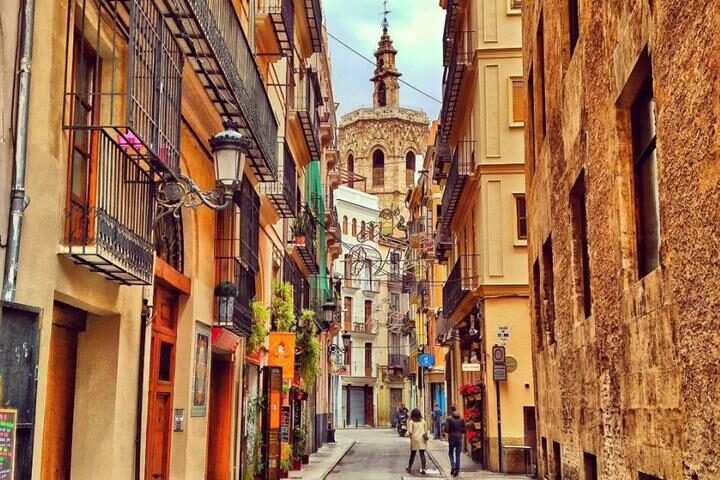
La Lonja de la Seda. The 15th-century silk exchange, UNESCO-listed since 1996, sits five minutes from the cathedral. Most tour groups walk past the entrance. Spend twenty minutes inside under the spiral columns and you will see Gothic civic architecture at its peak. Entry is symbolic, around two euros.
Mercado Central. Go for ingredients, not for selfies. Mornings before 11. Talk to the women at the seafood stalls about how to cook the fish you have just bought. The market is a working food hall that happens to be beautiful, not a beautiful building that happens to sell food.
Albufera Natural Park at dusk. The freshwater lagoon south of the city is where paella was actually invented. Wooden boats glide through the rice paddies as the sun goes down. Skip the midday tourist boats and book the late-afternoon one from El Palmar.
The Tribunal de las Aguas (the one ritual you should not miss)
Every Thursday at noon outside the cathedral’s Apostles’ Door, eight elected farmers settle irrigation disputes for the Valencia huerta. They do it in Valencian, in public, with no written record, exactly as it has happened since the medieval period.
It lasts twelve minutes. Nobody charges admission. UNESCO listed it as Intangible Cultural Heritage in 2009.
Most tourists never hear about it. Stand at the front of the square at 11:55 and you will witness one of the oldest continuously functioning legal institutions in Europe.
The contemporary scene tourists miss
Bombas Gens Centre d’Art. A converted Art Deco bomb-shelter complex turned contemporary photography and video art gallery in the Marxalenes neighbourhood. Almost no foreign visitors. Free on Sunday mornings. Some of the best curation in the city.
IVAM (Instituto Valenciano de Arte Moderno). The modern art museum punches well above its weight on a national scale. The permanent collection includes Julio González sculpture and serious 20th-century European work.
Centre del Carme. The former convent in the Carmen quarter hosts changing exhibitions of contemporary Spanish artists. Beautiful courtyards, free entry, almost always quiet.
The food rituals worth planning around
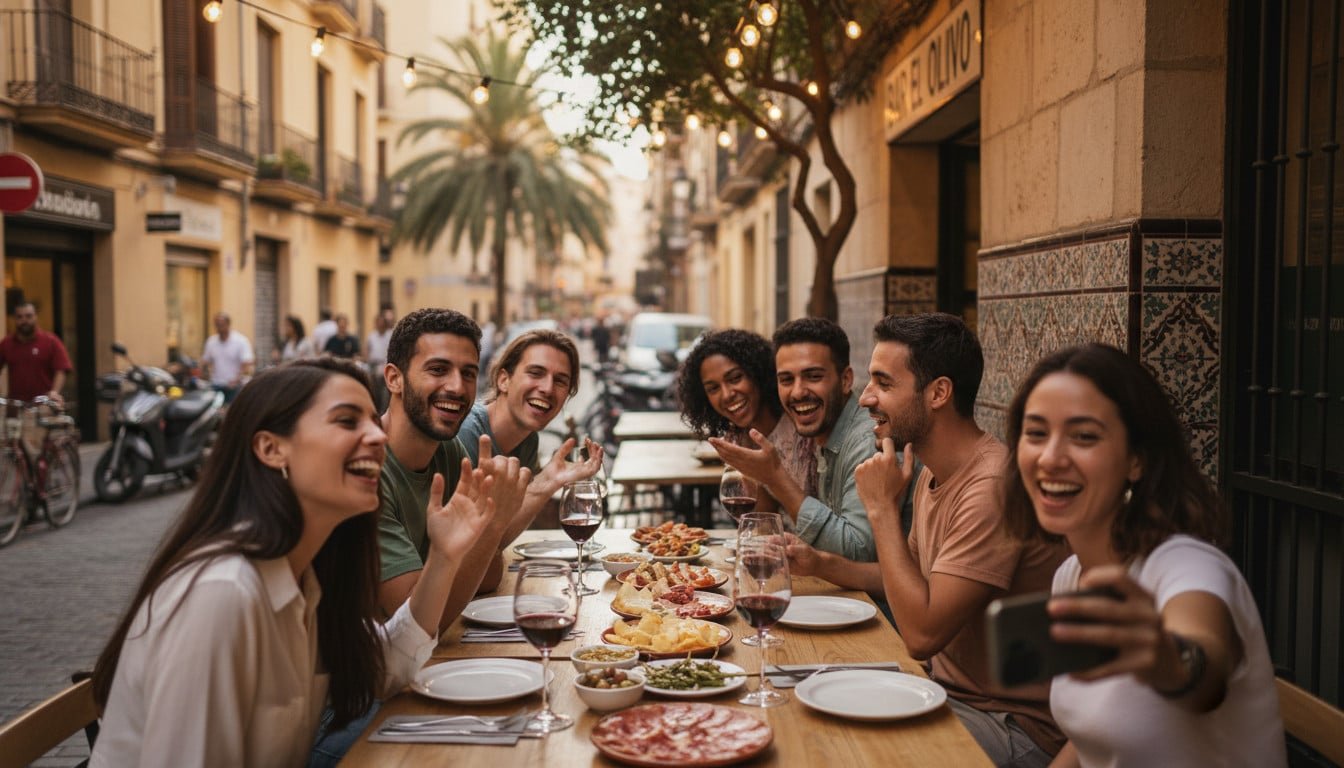
Real Valencian paella has a strict ingredient list (rabbit, chicken, ferraura beans, garrofó, paprika, saffron, rice) and is eaten at lunchtime, never dinner. Tourist paellas in the centre with chorizo and prawns are an insult to the dish.
Two places I send visiting friends:
- Casa Carmela in Cabanyal, paella over orange-wood embers since 1922. Book three days ahead.
- Any of the family restaurants on the Pinedo waterfront south of the city. Indistinguishable quality, half the price, no English menu, locals at every table.
For horchata, Daniel in Mercado Colón or Santa Catalina near the cathedral. Ask for it granizada in summer.
The festivals that justify timing your trip
Las Fallas (15-19 March). The city builds 750 satirical paper-and-wood sculptures across every neighbourhood, then burns them all on the final night. The mascletà gunpowder concert at 2pm in the Plaza del Ayuntamiento is the loudest non-explosive sound most people will ever experience. Book accommodation six months ahead.
La Tomatina (last Wednesday of August). Forty minutes by Cercanías to Buñol. The world’s largest organised food fight. Tickets required since 2013, around 12 euros.
Nit del Foc (around 24 June). The Sant Joan beach bonfire night. Less famous than Fallas, more local, equally wild.
A two-day cultural itinerary I would actually recommend
Day one (Thursday is ideal). Mercado Central before 10. Coffee at the bar inside. Lonja afterwards. Tribunal de las Aguas at noon. Lunch at Casa Carmela. IVAM in the afternoon. Sunset on the Albufera.
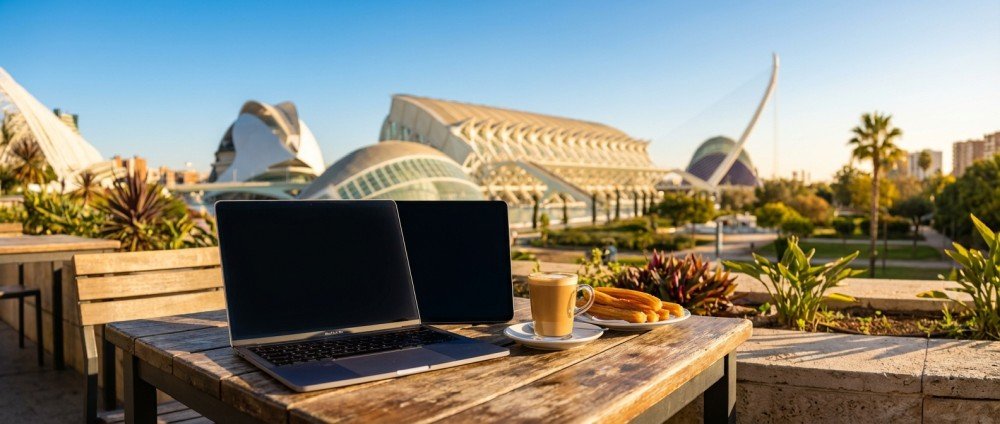
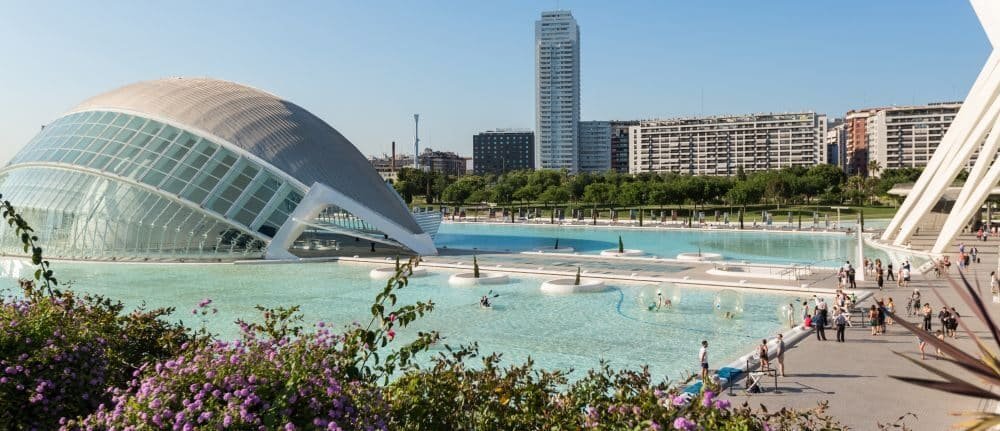
Day two. Bombas Gens in the morning. Walk the Turia gardens to Ciutat de les Arts. Centre del Carme late afternoon. Dinner in El Carmen.
Two days, almost no queues, almost no other tourists at the best stops, and you will have seen more of cultural Valencia than most visitors who stayed a week.
If you are coming for longer than a holiday
If you are weighing whether to actually live here rather than just visit, the cultural texture is one of the genuine reasons people stay. Festivals, markets, neighbourhood rhythms, free contemporary art, working food traditions. Most cities pretend to have these. Valencia has them on a Tuesday.
Questions about the move, about neighbourhoods, about getting set up locally? Get in touch.